The Quiet Discipline · the Voice of the Citadel

The Prokopton Protocol
Your Morning Forge & Evening Senecan Audit
Run one day on the rhythm Marcus and Seneca modeled — a 5-minute Morning Forge and a 5-minute Senecan Audit — and feel the shift from reacting to choosing by tonight.
A Prokopton is one making progress. This is day one.
Read once. Then never again — you'll do the work, not read about it.
Why This Works

You did not come here for more to read. You have read enough. You came because there is a gap between the man you are when things are calm and the man you become the moment they are not — and you are tired of losing that ground every day.
This closes the gap with a rhythm, not a lecture.
Two thousand years ago the Stoics ran their lives on a simple daily loop: they braced for the day in the morning and they held themselves to account at night. Marcus Aurelius wrote his morning preparations to himself before he governed an empire. Seneca examined every day in the dark before sleep. This is the rhythm they modeled — and it works now for the same reason it worked then. A mind is not steadied by insight. It is steadied by reps.
Here is the whole idea in one line:
You are not disturbed by what happens to you — you are disturbed by your judgment about what happens.
Fix the judgment and you fix the reaction. That is a skill. Skills are trained.
So this is not philosophy to admire. It is a practice to run. Five minutes to forge the day. Five minutes to audit it. And before either of those — before tomorrow even begins — one rep you do right now, on the single thing weighing on you today, that lets you walk away lighter tonight.
No hype. No guru. No motivation you have to summon again in the morning. You are the sculptor of your own character — this hands you the chisel and the first strokes. Turn the page and take them.
A plain word on scope: this is a Stoic practice for everyday, sub-clinical anger and anxiety — a discipline, not treatment or a substitute for professional care. If you live with a diagnosed condition (panic, GAD, clinical depression), keep working with your clinician and use this alongside that care, not instead of it.
The one-sitting win. Do this before you do anything else.
Start Now: The 10-Minute Rep
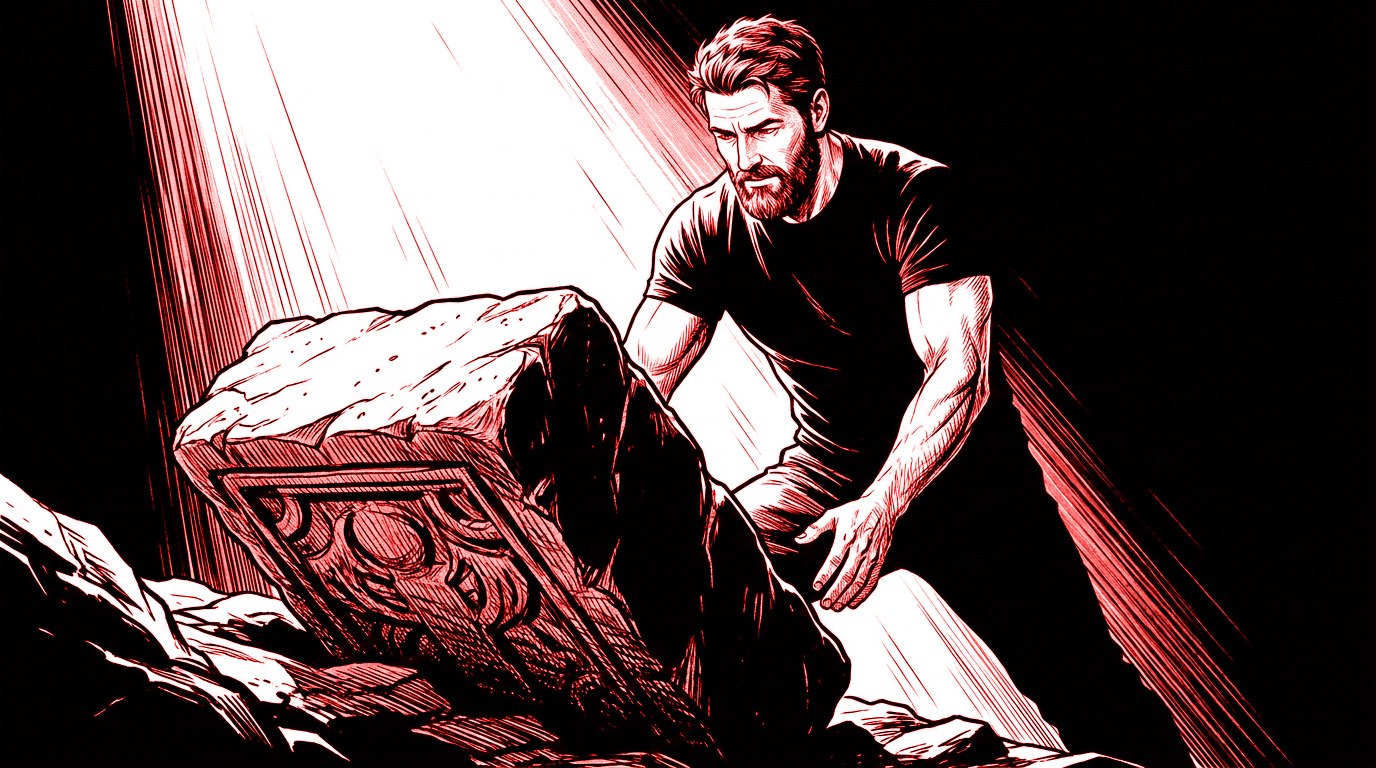
Bring to mind the one thing sitting on your chest right now. The unanswered message. The decision. The thing someone said. The outcome you can't stop rehearsing. Name it. Don't manage it yet — just name it in the box below.
Interactive: type your answers straight in — they save on this device as you go, so you can come back and keep building.
Now run it through the oldest tool the Stoics ever built — the Dichotomy of Control.
"Some things are within our power, and some are not. Within our power are opinion, choice, desire, aversion — in a word, whatever is our own doing. Not within our power are the body, property, reputation, and whatever is not our own doing."
— Epictetus, Enchiridion 1
Take your thing apart into two columns. Be ruthless. Most of what tortures you lives in the right column — and you've been spending your force there.
Now the release. Everything in the right column, you set down — not because you don't care, but because gripping it changes nothing except you. Marcus knew where the pain actually comes from:
"If you are pained by anything external, it is not the thing that disturbs you, but your own judgment about it — and it is in your power to wipe out that judgment now."
— Marcus Aurelius, Meditations 8.47
And from the left column, choose the one next action that is fully yours to take. Not the whole solution. The next honest move.
That is the rep. You didn't fix the world in ten minutes — you took your hands off the part of it that was never yours to hold, and put them on the part that is. That lighter feeling is not a mood. It's what accuracy feels like.
"Men are disturbed not by the things which happen, but by their opinions about the things."
— Epictetus, Enchiridion 5
You just proved the drill works on one problem. Now make it a rhythm.
5 minutes. Before the phone. Before the noise.
The Morning Forge
You do not wake up as the finished man. You wake up as raw metal. The Forge is where you heat and shape the day before the day shapes you. Three movements. Five minutes. Do it with coffee, not with your inbox open.
1 Premeditatio Malorum — brace for the day
The Stoics rehearsed hardship on purpose so it could never ambush them. This is not pessimism. It is armor. Marcus wrote his first, every morning:
"When you wake up in the morning, tell yourself: the people I deal with today will be meddling, ungrateful, arrogant, dishonest, jealous, and surly."
— Marcus Aurelius, Meditations 2.1
And Seneca knew where most of the damage is actually done — not in the event, but in the dread of it:
"We suffer more often in imagination than in reality."
— Seneca, Letters 13.4
So name the obstacles likely to meet you today — the difficult person, the hard call, the temptation, the setback. Meet them here, on paper, while you are calm. When they arrive, they'll be old news.
2 The Dichotomy of Control — sort the day
Run the same triage from the last page, now on the day ahead. Two columns. What is up to you today, and what is not. Pour your force into the first column. Refuse to bleed it into the second.
3 One Intention — set the whetstone
Don't set a to-do list. Set a virtue to practice. One. The day is your training ground; name the rep you're there to get. Epictetus:
"First say to yourself what you would be; and then do what you have to do."
— Epictetus, Discourses 3.23
Today I practice
(patience · restraint of tongue · courage · honesty · presence · letting go — choose one)
Close the Forge. You are shaped for the day. Now go spend it.
5 minutes. Lights low. Before sleep.
The Evening Senecan Audit
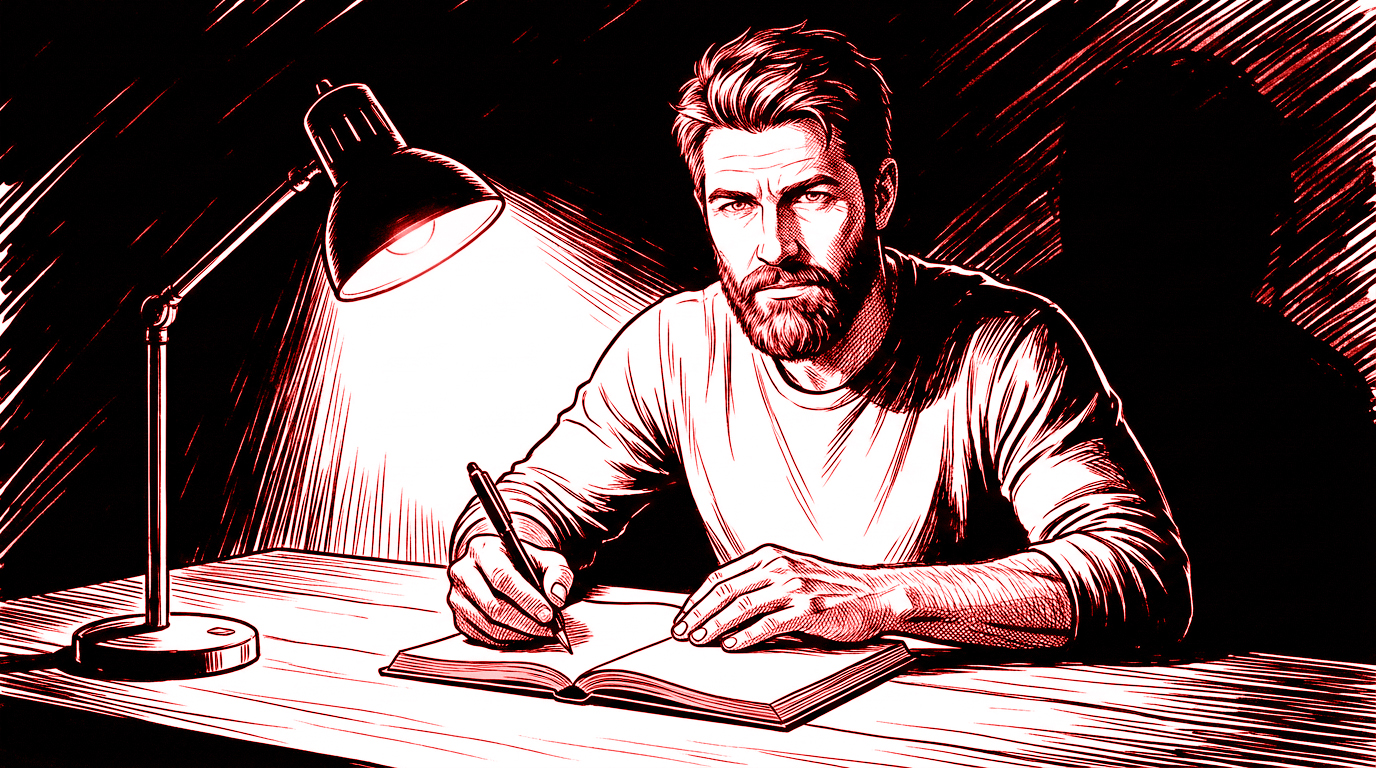
The morning forged you. The night refines you. Every good day gets audited — not to punish yourself, but to keep what worked and file down what didn't. This is the practice adapted from Seneca, On Anger (De Ira 3.36), where he describes his own nightly habit:
"When the light has been removed and my wife has fallen silent, aware of this habit of mine, I examine my entire day and retrace all my deeds and words. I conceal nothing from myself, I omit nothing."
— Seneca, De Ira 3.36
Seneca borrowed it from his teacher Sextius, who each night asked his own soul three questions. Ask them now — plainly, without flinching and without cruelty. A judge, not a prosecutor.
1 What did I do badly?
Where did you lose the day? Where did the anger, the flinch, the scroll, the small lie win? Name it exactly. You cannot sharpen an edge you refuse to look at.
2 What did I do well?
Where did you hold the wall? The rep you got right — the pause you took, the truth you told, the thing you didn't say. Give it its due. This is the ground you'll stand on tomorrow.
3 What could I do better?
Not shame — instruction. Turn today's worst moment into tomorrow's rehearsed response. As Sextius closed the ledger: "See that you do not do this again — for now, I pardon you."
Close with Amor Fati
The audit is done. Now release the day entirely — not the version you wanted, the one you actually got. Amor Fati: love of fate. To will what already happened, so the day owes you nothing and you carry none of it into sleep.
"Do not seek to have events happen as you want them to, but instead want them to happen as they do happen — and your life will go well."
— Epictetus, Enchiridion 8
Sleep. Tomorrow you forge again.
Screenshot this. Set it where you'll see it.
The Quiet Discipline
Prokopton Daily
The Prokopton Protocol — Daily Card
◤ Morning Forge — 5 min ◢
- Premeditatio malorum — name today's likely obstacles; pre-decide your response.
- Dichotomy of Control — up to me / not up to me. Spend force only on the first.
- One intention — "Today I practice ______."
"First say to yourself what you would be; then do what you have to do." Epictetus
◤ The 10-Minute Rep — anytime it hits ◢
Name the weight → split it up to me / not up to me → set down what isn't yours → do the one action that is.
"You are not disturbed by things, but by your opinions about them." Epictetus · Enchiridion 5
◤ Senecan Audit — 5 min ◢
- What did I do badly?
- What did I do well?
- What could I do better?
— Close: Amor Fati. Accept the day exactly as it fell.
"I examine my entire day… I conceal nothing from myself, I omit nothing." Seneca · De Ira 3.36
Forge the day. Man the walls. Audit the night. — the Voice of the Citadel


Screenshot the card above and set it as a reminder — or print this page and pin it where the day starts.
You've done the reps
Take your work with you
Everything you wrote is saved on this device. Keep a copy or send it to your inbox — then run it again tonight.
Want this live, on any moment?
The Pause — your private Stoic coach
That read was a fixed scaffold. The coach reads your exact situation and walks you through the Pause in real time — the reply drafted in anger, the 3 a.m. call only you can make. As it happens, not after.
Meet the coach →$1 for 14 days, then $29/mo. Cancel anytime.
What you just did, and what's on the other side of it.
You Just Manned the Garrison
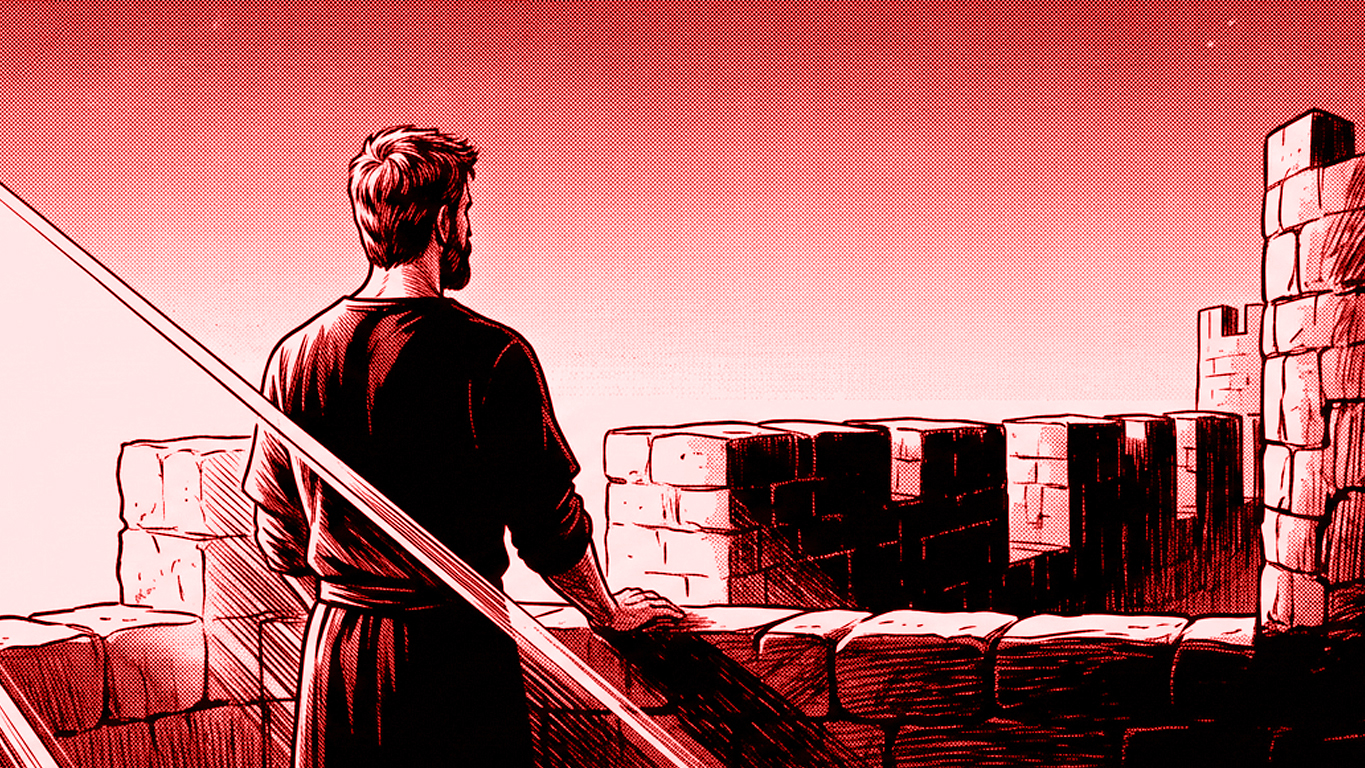
Look at what you're holding. Not a quote to admire — a working practice. A way to forge the day before it forges you, a way to take your hands off what was never yours, and a way to close the night owing nothing to it. Run this for a week and you will already be steadier than the man who opened this file. That is real, and it is yours, free, for as long as you use it.
Here is the honest truth about what you just did: you manned one room of a larger fortress.
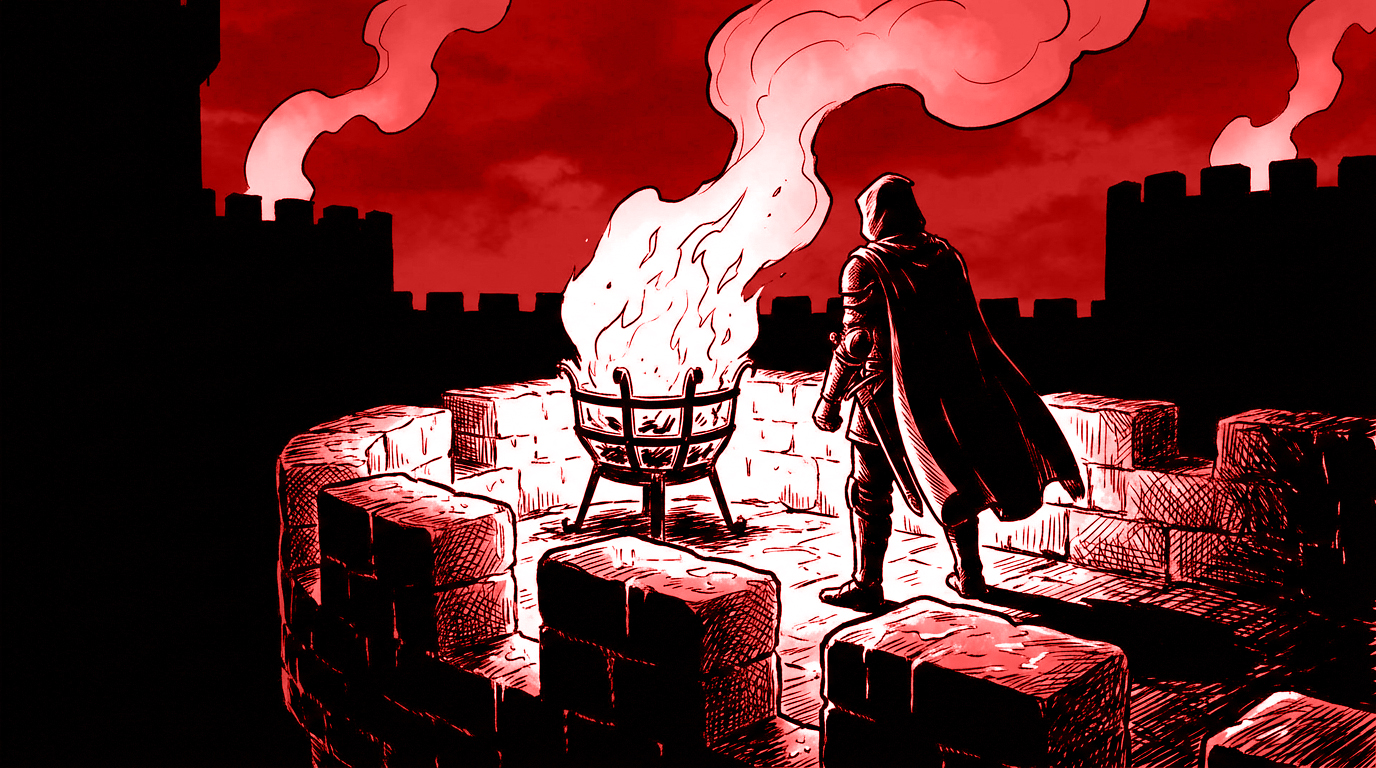
The Stoics called the trained mind the Inner Citadel — the one place no event, no person, and no outcome can breach without your consent. This daily rhythm you just learned is its Garrison: the watch that keeps the walls manned. But a citadel is more than its watch. It has foundations — the discipline of desire. Walls — mastery over anger and anxiety when they actually strike. Ramparts that keep other people's opinions outside where they belong. A keep, where you turn even mortality into fuel. And the gate, where the obstacle becomes the way and you learn to fall forward under pressure instead of freezing behind the walls.
The obstacle is not in your path. The obstacle is the path — the sword and the whetstone are the same steel. But you don't sharpen a blade by reading about edges. You do the reps.
That is the whole build: The Inner Citadel — the 30-day system to build a mind you can steady on command. Eight disciplines, eight walls, one fortress. Not more videos to watch — a Field Manual you work, with the exact if-then scripts, the rehearsed responses to your three worst triggers, and a tracked 30-day sequence that turns this week's proof into a permanent structure. It's the honest form of the promise the channel makes: indestructible is not a switch flipped in a month — it's the aim you build toward, one wall at a time.
You already know the drill works. You felt it on page three. When you're ready to build the whole fortress — not before — it's here:
When you're ready — not before
Build the Inner Citadel
The 30-day system to build a mind you can steady on command. Eight disciplines, eight walls, one fortress.
Build the Inner Citadel →$97 · the complete 30-day system, available now — no waitlist, no countdown. Take it when you're ready.
The Whole Climb
You just ran the free rep. Here is the full ascent — take the next rung when you're ready, not before.
Until then, forge every morning. Audit every night. Keep the walls manned.
You are the sculptor of your own character. Keep the chisel moving.
Everyday practice, not treatment. If you're struggling with a diagnosed condition, please reach out to a professional — strength includes knowing when to.